Step Out Into Nature: Mental & Physical Health Benefits of Playing Outside on a “Snow Day” & 11 Snow Based Play Ideas for Children, Teens, & Families.
I just came in from outside. I took a 10 min walk. I explored new paths on my street, discovered rabbit tracks, interesting objects that have been beautified by the snow, listened to the leaves rattling in the wind. I experienced walking on ice crusted snow as well as sinking into it with loud crunching sounds. My heart expanded and I felt calm, still, ready to re-engage with my work inside once again. Going outside on a cold winter day engages the senses. It makes me feel alive! It calms my mind. It changes how I breathe. Nature induces calm in my racing, task-oriented mind!
So Happy Snow Day! Being a parent of kids who are at home with no place to go can be overwhelming and at times frustrating. Some kids want attention nonstop and others want to hibernate in their rooms. Some kids do nothing but complain of being “board”. For teens sometimes you wonder if you need to check their pulse as they stay locked up in their rooms. In the blog Happy Snow Day: “Help My Kids Are Home!" - A Caregivers Guide to “Snow Day” Prep I covered how to prepare for a Snow Day with children and teens. The Snow Day has arrived, now what? Think about rosy cheeks, bright eyes, eyelashes wet with snowflakes, breath hanging in a cloud, catching snowflakes with your tongue! Let this thought warm your heart and bring a smile to your face. Yes, I love snow!
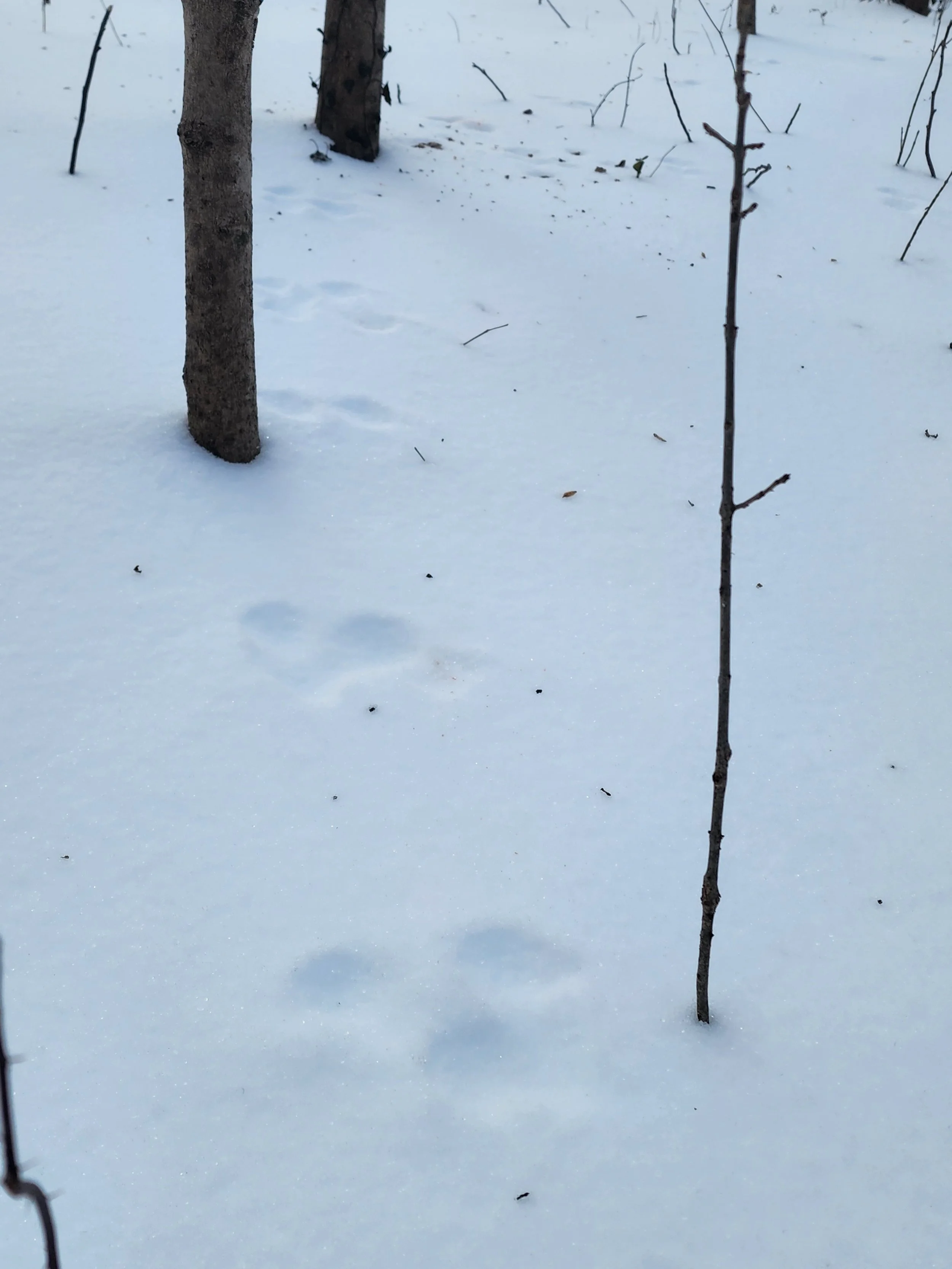
Nature helps children and teens in Harrisonburg VA regulate!
As the snow day or days progress inside with little to do, tempers start to shorten increasing Whinieness and demanding, picking and arguing between siblings ensues. We can all get cagey when stuck inside! Feelings may fluctuate between joy, excitement, giddiness, irritation, anger, and depression. Energy may fluctuate between excitement, goofiness, high energy, low energy, and sometimes playful roughhousing that crosses the line until emotions flare. What this indicates is that kids have pent up energy and emotions. They long for connection and attention. To be seen, to be heard, and to know that they matter. These are things that child and teen therapist Melissa Deaton Cook LPC in Harrisonburg, VA emphasis during therapy on a regular basis. But what can you do on a snowy day! You only have so much time, energy, and resources as a caregiver. Get them outside into nature! It doesn’t have to be a set time, just long enough to shift their internal and external energy. Like washing hands!
Going outside in nature on a Snow Day can benefit children and teens, especially children and teens with trauma or mental health issues.
There is a lot of research on the benefits of being in nature and play. One of the best-known researchers on this topic is Richard Louv. https://richardlouv.com/books His book Last Child in the Woods: Saving Our Children from Nature-Deficit Disorder was my introduction to him. Since then, he has written multiple books on the benefits that nature brings to children, teens, and adults. Research indicates that interacting with nature calms the nervous system (which affects mood, attitude, and behavior), improves the brain (creativity, curiosity, and problem-solving skills), and improves physical endurance (movement, balance, strength and stretching of the musculature system). Some studies indicate that nature also helps strengthen the immune system.
Nature heightens the awareness of our senses.
Helping us to feel present in our bodies. The cold sharpens our sense of sight, taste, smell, touch, sound, proprioception, and interoception. Tapping into the senses in a relaxed, fun manner can help calm the nervous system and release pent up energy appropriately.
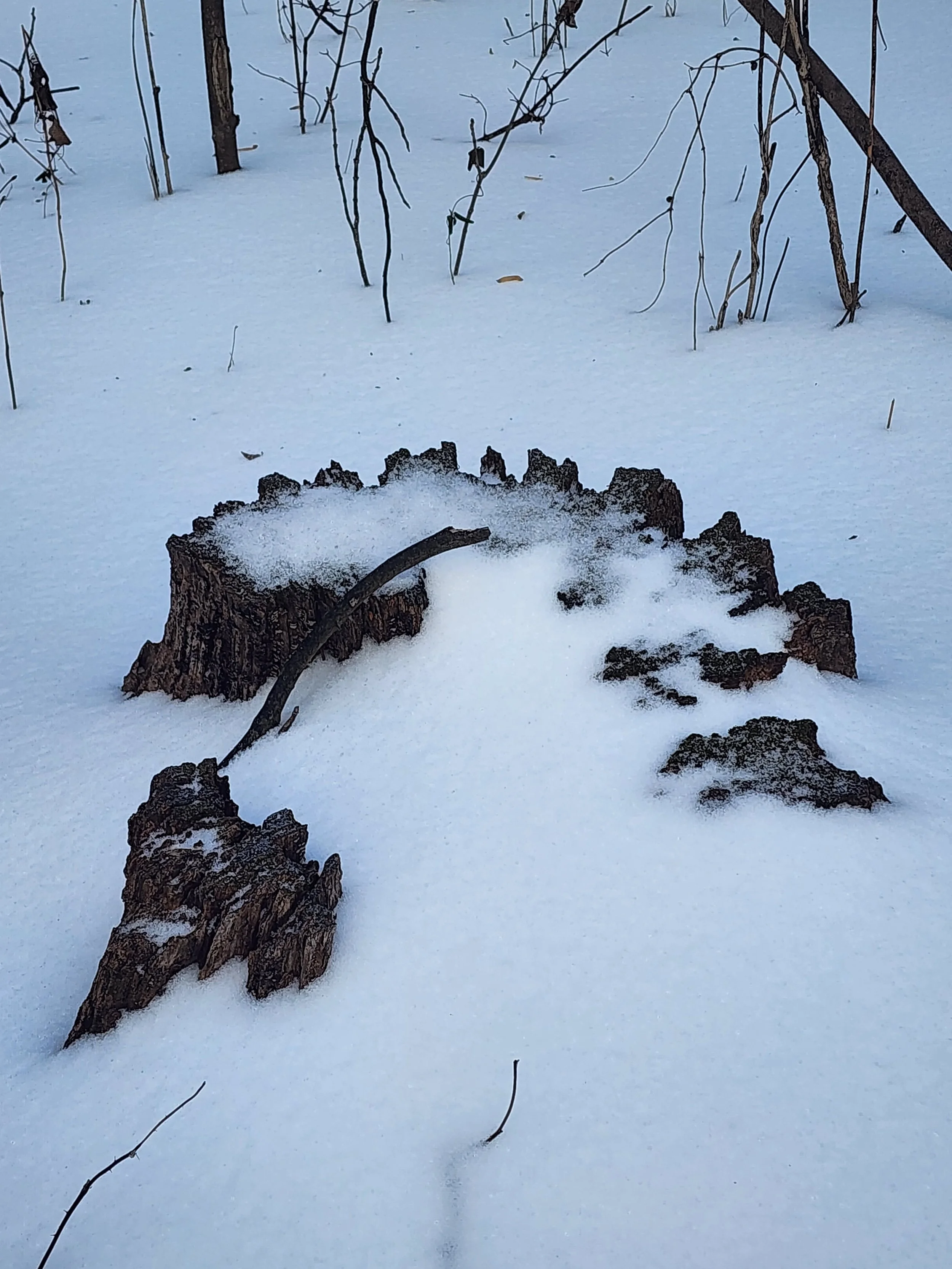
Nature appropriately engages the senses of children and teens in counseling for trauma and mental health issues in Harrisonburg, VA
Sight:
Falling snow, individual snowflakes, icicles, trees and cars covered in snow, colors, contrasts, lighting, breath hanging in a cloud ….
Taste:
The air is crisp and it has a taste that is sweet and sometimes slightly metallic. Before a snow I frequently experience a taste and smell in the air that I refer to as “It tastes like snow is coming”. I can’t rationalize this, but for me it is true.
Smell:
There is a clear, clean smell to snow, in my opinion. It tickles the nose as you breathe in. It opens the lungs. Sometimes the cold may even shorten your breath. Sometimes you can smell nature, especially pine trees, more acutely.
Touch:
The feel of wet cold snow! Sometimes hard, sometimes soft, sometimes dry. The feeling of pressing snow together to make snowballs. The rolling and packing of snow to make snow people or snow forts. The friction of sliding down a bank on a sled. The trust fall of making a snow angel where you end up wrapped in the snow as you make bilateral movements with your arms and legs.
Sound:
When the snow starts falling there is a quiet stillness that sometimes feels as if you can touch it. It is like nature is holding its breath! And then when the snow is done falling, the birds start singing clear and loud as their songs cascade over the snow. You can hear the rustling of leaves and trees. Everything is clearer. Maybe you even hear children and teens laughing in glee.
Proprioception:
An awareness of where you body is in time and space. Spinning in circles looking at the sky. Awareness of slippery ice. Awareness of making snowballs too hard. Awareness of snow falling off branches in your face. Awareness of the heaviness of marching through the snow with boots.
Interoception:
An awareness of how you feel inside. The mindfulness of listening to nature. It’s peaceful silence. The feeling of cold breath going into our bodies and warming. The tingle of excitement. The joy of playing outside. The tiredness of the body when we are ready to go inside and get warm.
Vestibular:
An awareness of our balance, our movement, and our spatial awareness. Balancing on ice as we walk. Being aware of how hard and fast we step and move. Sliding across frozen ponds or water.
Spending time outside on a snowy day helps children and teens regulate when they are stuck at home.
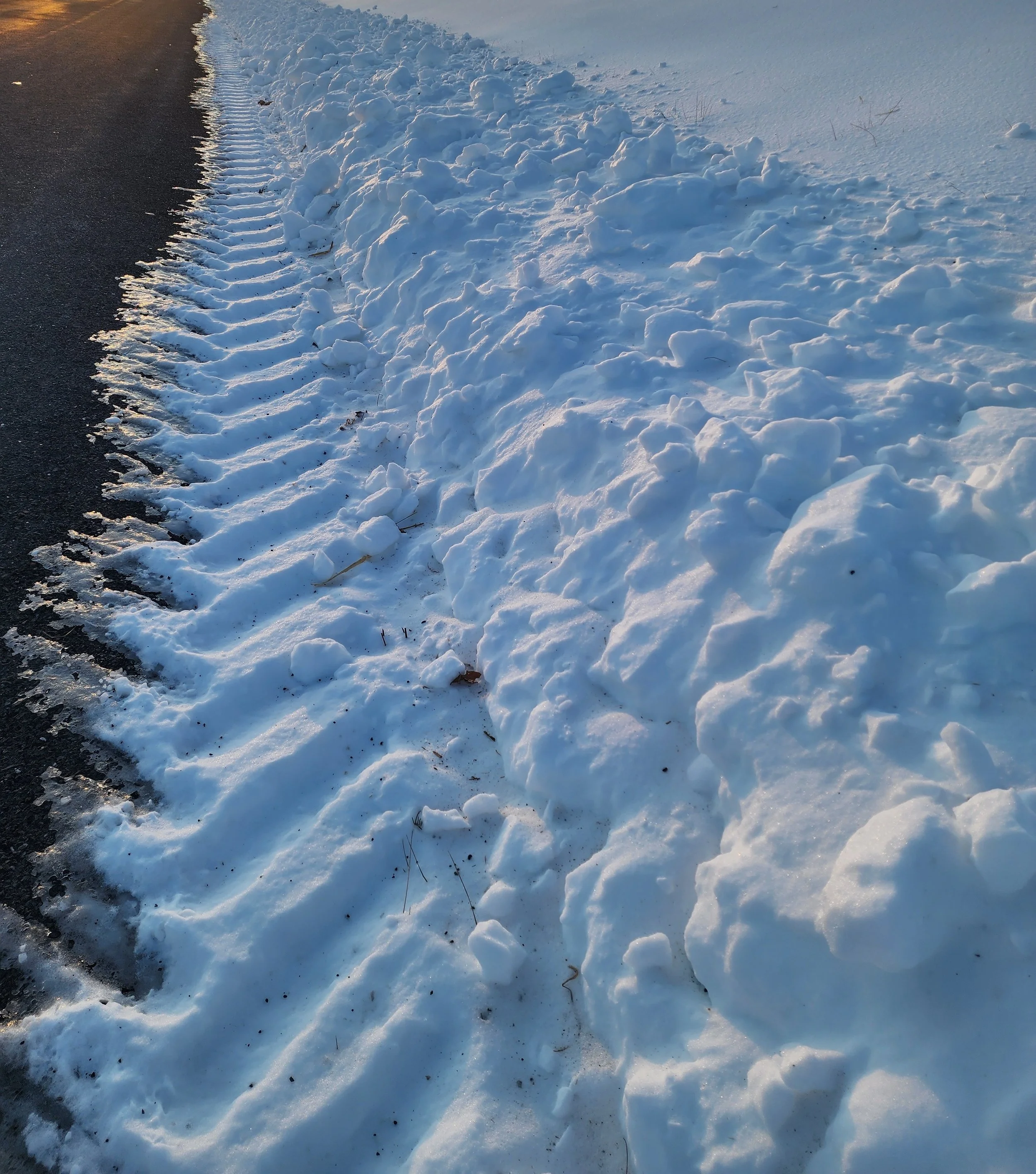
Nature gives many examples of different textures and colors to inspire the creativity and imagination of children and teens in Harrisonburg, VA
Nature stimulates cognitive functioning and enhances wonder and aw by inspiring creativity, curiosity, and problem solving. Bring out the snow forts! It can quiet the mind. Inviting peace and calm. It can promote empathy and care for others by doing chores and shoveling snow for others. This can also bring a sense of accomplishment and ownership. Nature promotes better sleep by calming the mind, improving our breath, and tiring our muscles in a good way through play. There is a special kind of tiredness when you come in from the snow and take off all the winter clothes in a warm house! There are so many benefits to playing in nature that it is impossible to cover them all here.
Dressing for winter success!
I worked at a wilderness school for 15 years with teens who had trauma and mental health histories. One of the best pieces of advice my father and his park ranger uncle from the upper peninsula of Michigan gave me was “dress for the weather”! They were right! Good intentional layering and quality clothes made the difference as I worked and played outside.
When your kids go outside make sure, they have hats, coats, gloves, and good socks on. Layer up! Layering clothing insulates and holds warmth in. Stay away from Cotton if you can, it will make your kids colder. When things get wet its time to change. For more information on the benefits of children playing outside and how to dress check out this video: Natural Start Webinar: Flourishing in Winter North American Association for Environmental Education
https://youtu.be/sTk4dTE56Hs?si=FneRQmxsCOybKeDx
11 things for children, teens, and families to do outside when it is snowing.
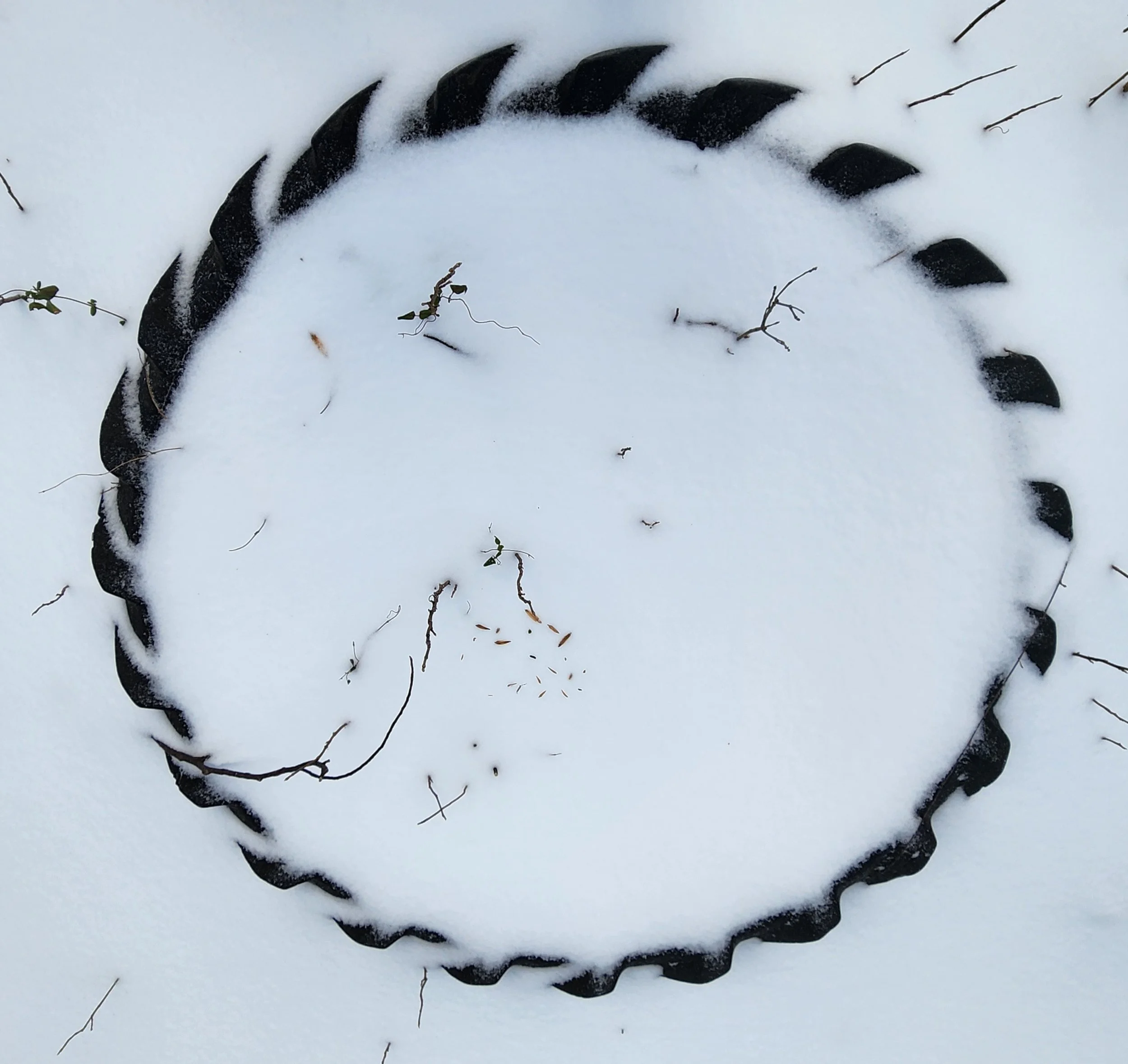
Nature based therapy can stimulate the creative brain in children and teens in Harrisonburg Virginia
1. Build a snow person, snow animal, or snow fort.
2. Sledding – make your own sled out of cardboard or used a purchased one
3. Make snow angels – Check your area, Look into the sky arms wide, fallback, breathe/sigh as you look up into the sky making bilateral movements!
4. Have safe gentile snowball fights – set up guidelines and boundaries for safety first.
5. Do chores - Clearing sidewalks and vehicles of snow provides a sense of accomplishment. Expends energy and improves fine motor skills. It can be fun as a family.
6. Helping neighbors clear their driveways and sidewalks encourages community
7. Going for walks: quiet walks where we listen and observe with our senses, walks with scavenger hunts, walks with serious conversations or silliness.
8. Make snow cream
9. Take pictures of snow crystals, icicles, and snow – see who can find the most unique snow picture.
10. Free play- Never underestimate the benefit of free play outside on a winter day! The creativity and imagination of kids is amazing, and play prepares them for life and teaches them skills through trial and error.
11. Look for ideas online for other great things to do outside in the snow.
Children and teens need space to move, explore, and breathe. Nature provides them with this opportunity any time of year. Even five minutes of doing a silly dance on the steps if the weather is too bad or there is no time can improve the nervous system and mindset. So, when your child or teen starts to get cagey on this Snow Day send them outside. Better yet go outside with them for the best possible results of play in nature. Engaging in these activities with your kids will strengthen your relationship and open the door to conversations and laughter that create memories.
Work, play, dance, and laugh together to build those lasting relationships within the family. Use this “Snow Day” to make lasting memories for both you and your family. Step Out into Nature! Happy Snow Day from Melissa Deaton Cook LPC and Spiral Roots LLC.

Melissa Deaton Cook LPC bilingual child and teen therapist in Harrisonburg, Virginia.
Melissa Deaton Cook LPC, NCC, ACS
Melissa helps kids feel safe, supported, & empowered to be their best unique selves! Struggling children and teens know that they are seen, they are heard, and that they matter when they work with Melissa. Melissa Deaton Cook LPC uses trauma informed expressive art, sand tray, play therapy, nature based, and cognitive therapy to facilitate change. “Melissa is like a child and teen first responder” Jennie -First Responder. Melissa helps dysregulated children and teens struggling with trauma, depression, anxiety, mental health issues, behavior issues, family separations and more to regulate and learn to function in their community. All are welcome! Melissa’s focus is to help kids learn to regulate, communicate, and strengthen their relationships in the home and community so they can develop the capacity to grow and become their best selves. Melissa may be contracted for dynamic trauma trainings, expressive arts workshops, and team building events. Learn More